In remote communities across Falaba District, geographical isolation, limited access to essential services and the stigma associated with Sexual and Gender-Based Violence (SGBV) continue to prevent many survivors from reporting abuse and seeking justice. For some women and girls, fear of discrimination, social exclusion and the absence of accessible support systems often force them to suffer in silence.
The experience of Zainab, 22 years illustrates how access to information, timely assistance and survivor-centred interventions can help break this silence and create pathways to justice.
Following an incident of sexual penitration, Zainab found herself isolated and living in hiding, with limited knowledge of where to seek assistance or how to pursue justice. The stigma surrounding sexual penitration, coupled with the challenges of accessing support in her community, further compounded her situation. However, through a project-sponsored radio awareness programme, Zainab learned about her rights and the support services available to survivors of SGBV. Encouraged by the information, she found the courage to seek help and access the assistance she needed.
With support from the project’s paralegal services, Zainab was connected to essential medical care, emergency shelter and legal guidance. This assistance helped her navigate the reporting and justice processes while addressing some of the immediate protection and recovery needs arising from her experience. With the necessary support and engagement of relevant actors, her case progressed through the justice system and is now before the Magistrate.
Beyond her personal journey, Zainab’s decision to speak out has encouraged other survivors to seek assistance, demonstrating the importance of community awareness, accessible referral pathways and survivor-centred support in addressing SGBV. The intervention has also contributed to strengthening institutional responses. Following engagements with relevant stakeholders, family support unit, referral system for SGBV cases, aimed at improving coordination and facilitating more timely referrals for survivors seeking protection and justice.
Zainab’s experience demonstrates that access to information can empower survivors to break the silence, while coordinated medical, psychosocial, legal and protection services can help them pursue justice and rebuild their lives. Nevertheless, many women and girls in remote communities across Falaba continue to face geographical, financial and social barriers to accessing justice and essential support services. Expanding community awareness, strengthening referral mechanisms and improving the availability of survivor-centred services remain critical to ensuring that no survivor is left behind.
Through support from the UNDP, the Centre for Accountability and Rule of Law – Sierra Leone (CARL-SL) continues to promote access to justice, strengthen institutional responses and support efforts to protect survivors of sexual and gender-based violence.
Zainab’s story reminds us that when survivors know their rights and have access to appropriate support, silence can give way to courage, and courage can inspire change across entire communities.
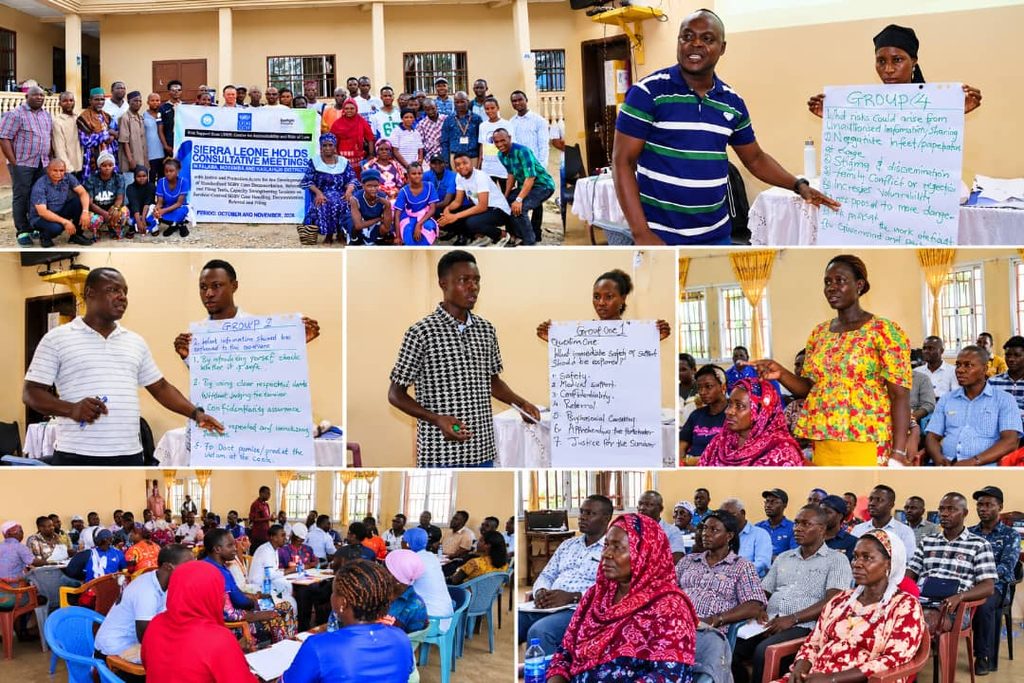
The Centre for Accountability and Rule of Law – Sierra Leone (CARL-SL), with support from the UNDP-funded Spotlight Initiative 2.0 Response, has strengthened the capacity of more than 150 justice, security and protection actors through a series of capacity-building sessions conducted in Falaba, Kailahun and Moyamba Districts
The initiative aimed to enhance participants’ knowledge and practical skills in preventing and responding to Sexual and Gender-Based Violence (SGBV), with particular emphasis on survivor-centred case management, effective case documentation, referral pathways, protection mechanisms and improved coordination among relevant service providers.
The training brought together a diverse range of stakeholders involved in SGBV prevention, response and access to justice. Participants included Family Support Unit (FSU) personnel, representatives from the Ministry of Social Welfare, Gender and Children’s Affairs, Ministry of Social Welfare, civil society organisations, local authorities, local court officials, members of the judiciary, pupils, Community-Based Organisations and networks, teachers and representatives of persons with disabilities, among other relevant actors.
Through interactive sessions, experience-sharing and practical discussions, participants strengthened their understanding of effective SGBV case handling, institutional responsibilities, appropriate documentation, timely referrals and the importance of protecting survivors’ dignity, safety, privacy and confidentiality.
By bringing together stakeholders from different sectors, CARL-SL sought to strengthen institutional collaboration, promote a shared understanding of responsibilities and improve coordination across the SGBV response mechanism. Particular attention was given to ensuring that survivors, especially women, girls and other vulnerable groups, can access justice and protection services without discrimination, stigma or unnecessary barriers.
Through these capacity-strengthening interventions, CARL-SL continues to contribute to building more coordinated, responsive and survivor-centred justice and protection systems, while advancing access to justice and strengthening institutional responses to SGBV across the three target districts.
Centre for Accountability and Rule of Law, Sierra Leone (CARL-SL) with support from United Nations Development Program (UNDP) implemented the “Enhancing Access to Justice for Vulnerable Groups and Advancing People-centered Justice Reforms for SGVB Survivors in Falaba Moyamba, and Kailahun districts project”.
In Kailahun District, survivors of Sexual and Gender-Based Violence (SGBV) often face significant barriers to accessing justice and support, including stigma, discrimination, fear and social isolation. For many, the trauma of abuse is compounded by the silence and rejection they experience within their communities.
For Hawa a 17 year old, these challenges were a painful reality. Following an experience of sexual violence, she found herself ostracised and without a safe environment in which to seek help or begin her recovery. However, through the support provided under the project, Hawa accessed essential medical care, psychosocial counselling and legal representation, enabling her to begin rebuilding her life while pursuing justice. In a space of three months, her perpetrator was convicted, marking what was reported as a historic milestone for her chiefdom and demonstrating the importance of survivor-centered support and effective access to justice.
Today, Hawa has transformed her painful experience into a source of strength and inspiration. She now serves as a youth peer educator, engaging young people and raising awareness about SGBV prevention, survivors’ rights and the importance of speaking out against sexual violence. Through her advocacy, she has reached more than 800 young people, encouraging greater awareness, responsibility and community action against SGBV.
Hawa’s journey demonstrates that when survivors receive timely support, protection and access to justice, they can move beyond victimisation and become powerful advocates for change within their communities. Her transformation from a survivor who once faced stigma and isolation into a youth advocate illustrates the far-reaching impact of survivor-centred interventions.
Nevertheless, Hawa’s experience also highlights the reality that many survivors continue to suffer in silence, unable to access the medical, psychosocial, legal and protection services they need. Expanding these services and strengthening community awareness remain critical to ensuring that no survivor is left behind.
Her story is a reminder that justice restores hope, support rebuilds confidence, and empowered survivors can become agents of lasting community change.
The Centre for Accountability and Rule of Law – Sierra Leone (CARL-SL), with support from the United Nations Development Programme (UNDP)-funded Spotlight Initiative 2.0 Response, is strengthening institutional collaboration and coordination among justice, security and protection actors to improve the management of Sexual and Gender-Based Violence (SGBV) cases across Falaba, Kailahun and Moyamba districts.
The initiative forms part of CARL-SL’s broader commitment to promoting access to justice, strengthening accountability within justice and protection institutions, and ensuring that survivors of sexual and gender-based violence receive appropriate, timely and dignified responses throughout the justice process. It recognizes that addressing SGBV requires more than the existence of laws and institutional structures; it demands effective coordination, consistent case-management procedures, appropriate documentation, functional referral systems and a survivor-centered approach that places the rights, safety and wellbeing of survivors at the heart of every intervention.
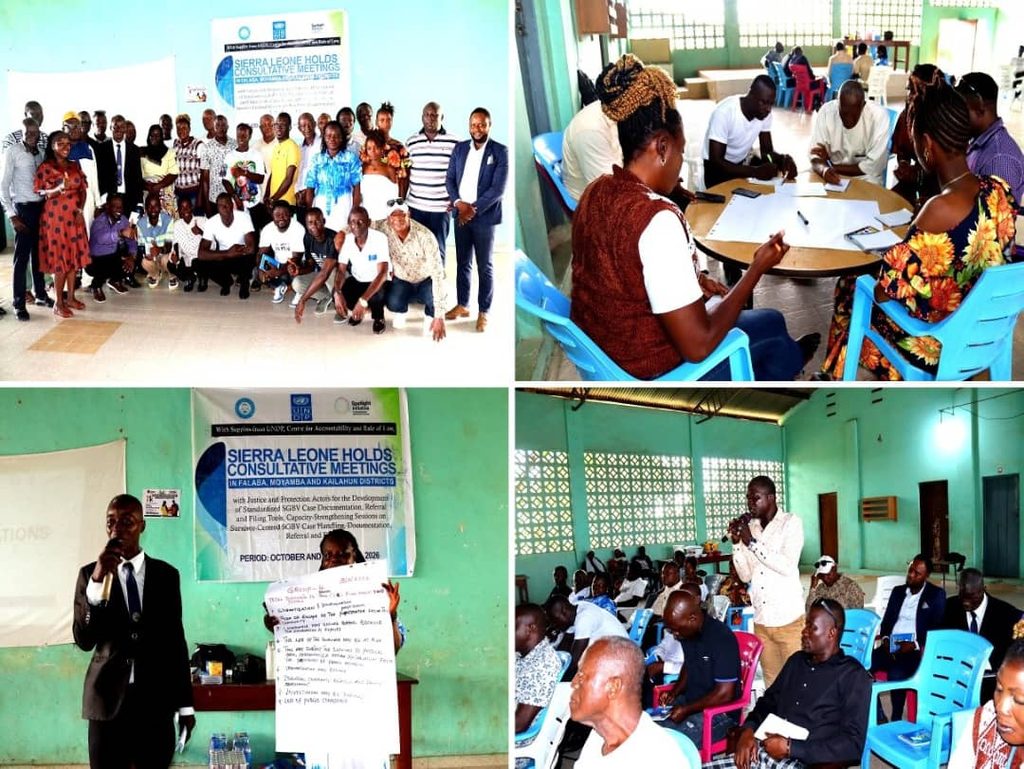
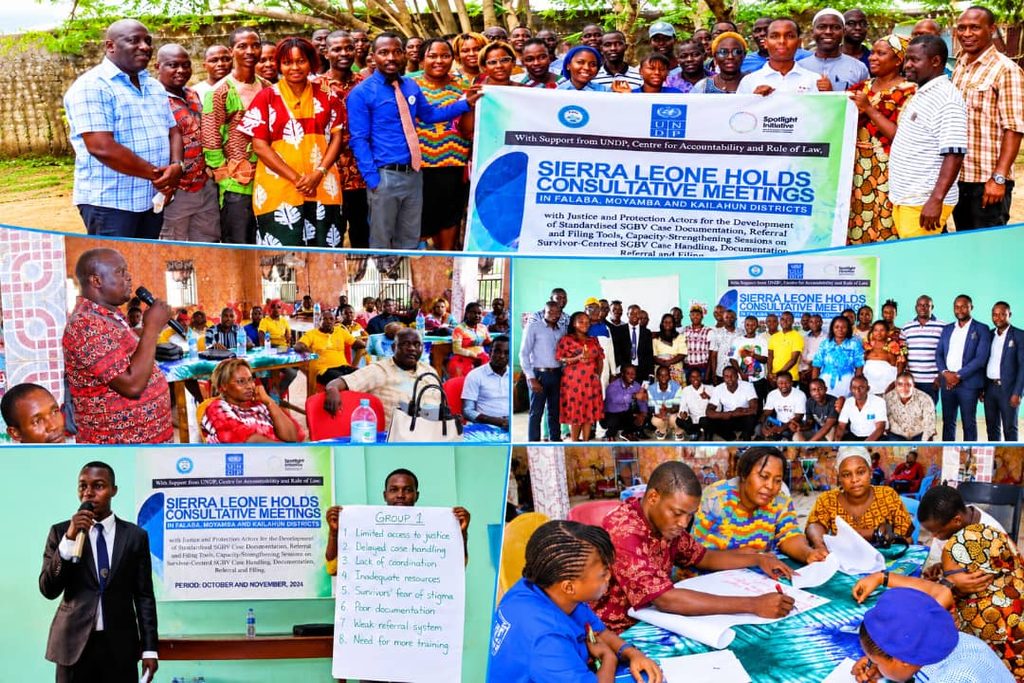
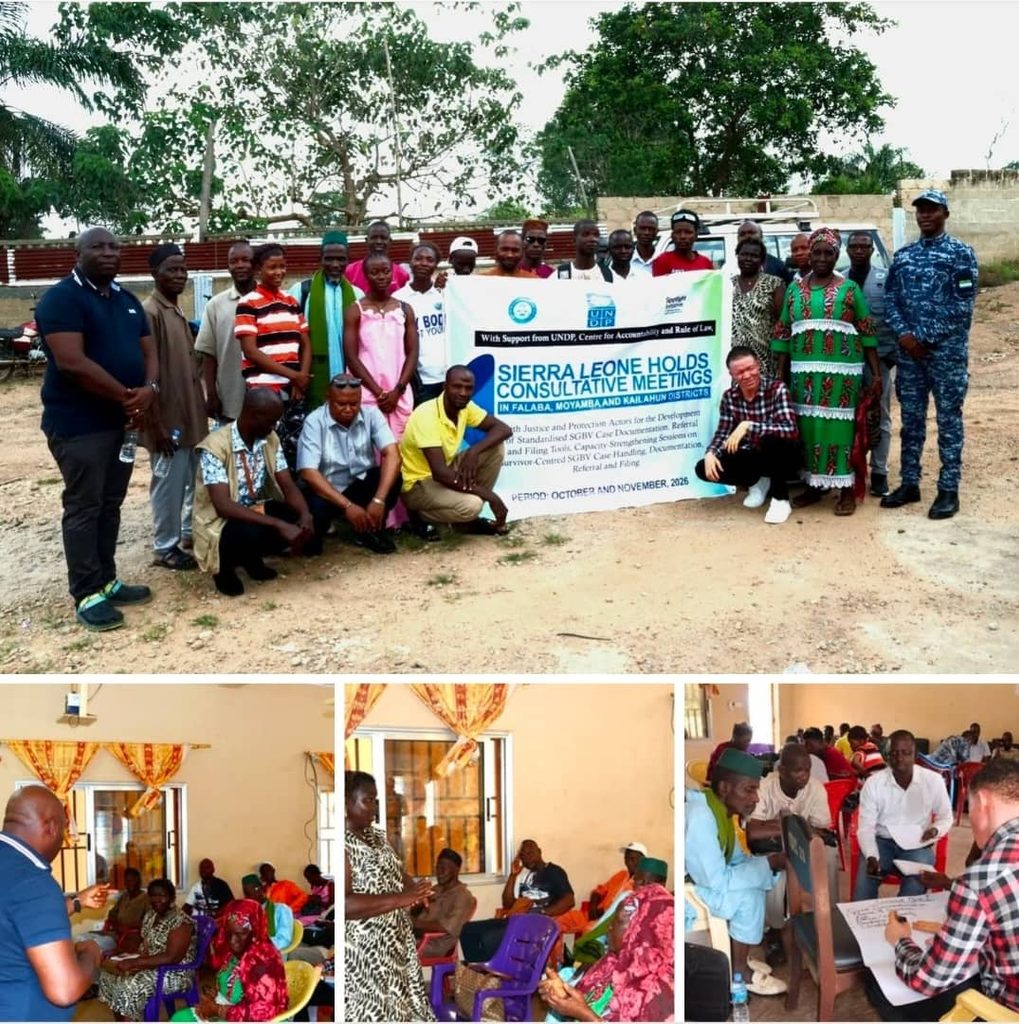
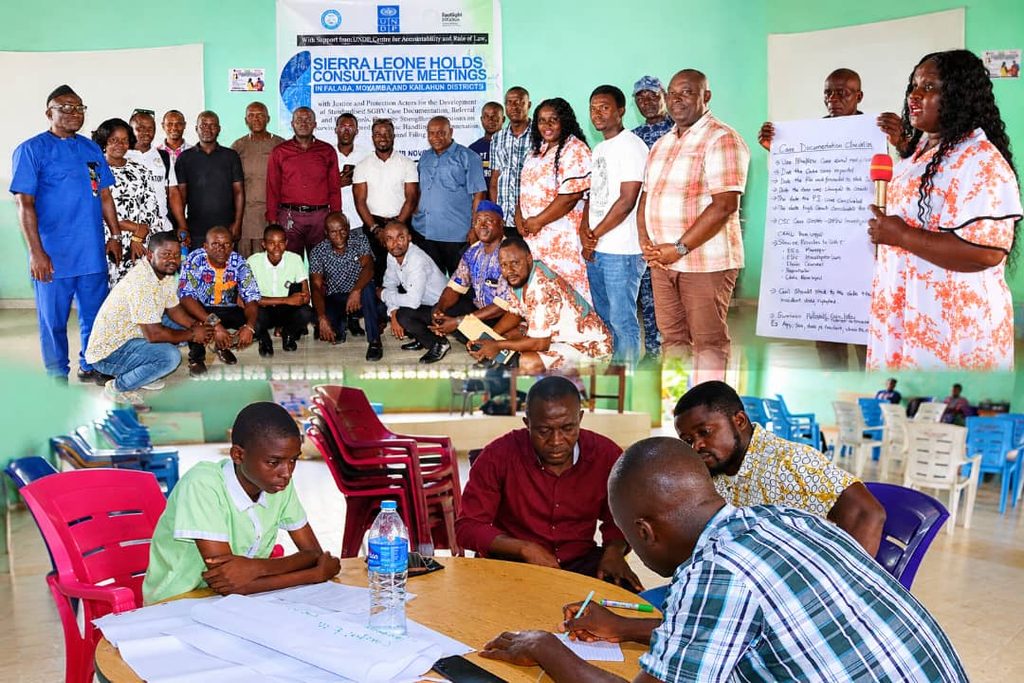
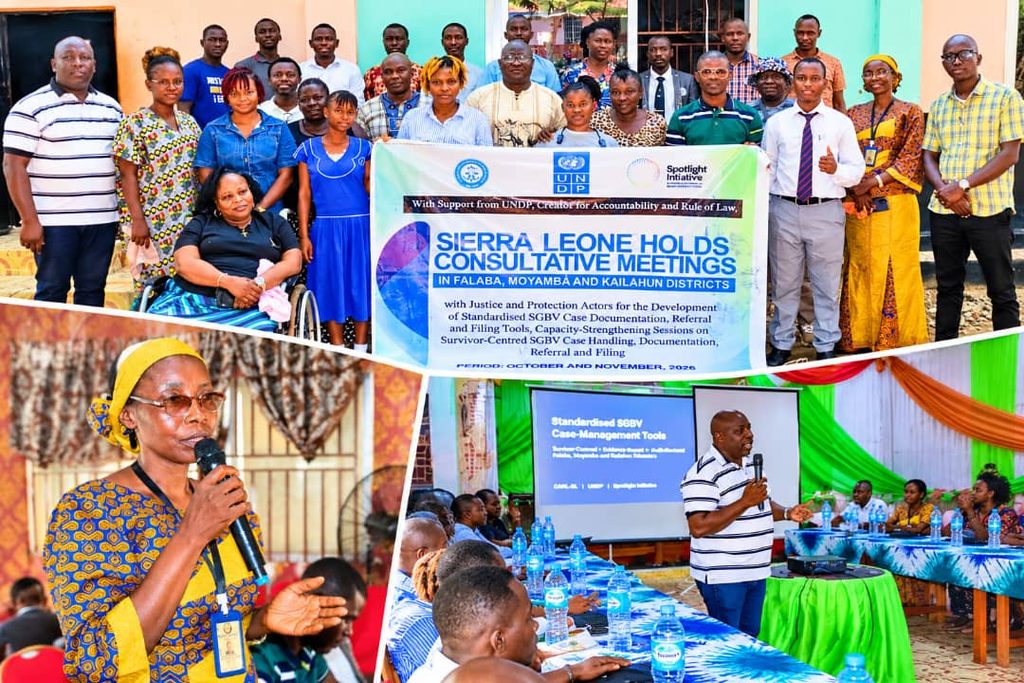
As part of this intervention, CARL-SL has convened stakeholder consultative engagements across the three target districts and facilitated discussions on existing SGBV case-management practices and support the development of standardised tools that will guide relevant institutions in handling cases more effectively. The consultations brought together key actors from the justice, security and protection sectors, providing an opportunity for institutions and frontline practitioners to examine their respective roles, share practical experiences and collectively identified challenges that affect the effective management and prosecution of SGBV cases.
The engagements are particularly important in addressing some of the persistent challenges associated with SGBV case management, including gaps in case documentation, inconsistencies in the preparation and handling of case files, weaknesses in referral pathways, limited coordination among relevant institutions, and challenges relating to case follow-up. These gaps can undermine the quality of institutional responses, delay access to justice and expose survivors to additional risks, including unnecessary delays, repeated questioning, and breaches of confidentiality and experiences that may further compound their trauma.
Through these consultative processes, CARL-SL has created space for stakeholders in each district to critically assess existing practices and contribute practical recommendations towards developing standardised case-management tools that are responsive to institutional realities and the needs of survivors. The proposed tools are intended to provide clearer guidance on the handling, documentation, referral, preparation and follow-up of SGBV cases, while promoting greater consistency and accountability among the institutions responsible for responding to such cases.
Participants were drawn from different stakeholders, including the Sierra Leone Police/family Support Units, local authorities, pupils, Civil Society organizations, Ministry of Social Welfare, Ministry of Gender and Children’s Affairs, Rainbow Initiatives, Media, etc. the activities were held in Mongo-Falaba district, Kailahun town, Kailahun district and in Moyamba town, Moyamba district.
A central consideration throughout the process is the need to strengthen a survivor-centered approach to SGBV case management. Such an approach requires that survivors are treated with dignity, respect and sensitivity, and that their safety, privacy, confidentiality and informed choices are protected at every stage of the response process. It also requires institutions and service providers to minimise practices that may expose survivors to further harm or discourage them from pursuing justice. By incorporating these principles into the proposed tools, CARL-SL seeks to contribute to a more responsive and supportive institutional environment for survivors of sexual and gender-based violence.
Beyond identifying operational gaps, the consultations are also intended to strengthen inter-agency relationships and promote a shared understanding of the responsibilities of different actors within the SGBV response chain. Effective case management depends on the ability of justice, security and protection institutions to communicate, collaborate and coordinate their interventions without compromising the rights and interests of survivors. Strengthening these relationships is therefore essential to ensuring that cases are handled systematically, referrals are appropriately managed, and necessary actions are taken to advance investigations and access to justice.
The recommendations and technical inputs generated through the stakeholder consultations across Falaba, Kailahun and Moyamba districts will inform the preparation of draft standardised SGBV case-management tools. These draft tools will subsequently undergo further technical review and validation involving relevant stakeholders to ensure that they are practical, contextually appropriate and capable of supporting improved institutional performance. The review and validation process will also provide an opportunity to refine the proposed guidelines and strengthen stakeholder ownership of the tools before their eventual application.
For CARL-SL, this intervention represents an important step towards addressing institutional and coordination challenges that affect access to justice for survivors of sexual and gender-based violence. It reflects the organisation’s continued commitment to working with relevant state and non-state actors to promote accountability, strengthen justice delivery systems and advance the protection of vulnerable groups, particularly women and girls who are disproportionately affected by SGBV.
With support from the UNDP-funded Spotlight Initiative 2.0 Response, CARL-SL remains committed to facilitating constructive engagement among relevant institutions and supporting the development of practical mechanisms that can contribute to more effective, coordinated and survivor-centred responses to SGBV across the three target districts.
Ultimately, the success of efforts to address sexual and gender-based violence depends not only on the availability of legal and policy frameworks but also on the capacity, commitment and coordination of the institutions responsible for implementing them. By bringing key stakeholders together to identify gaps, develop common standards and strengthen institutional collaboration, CARL-SL is contributing to the broader effort to ensuring that survivors are treated with dignity, their rights are protected, and access to justice is strengthened.
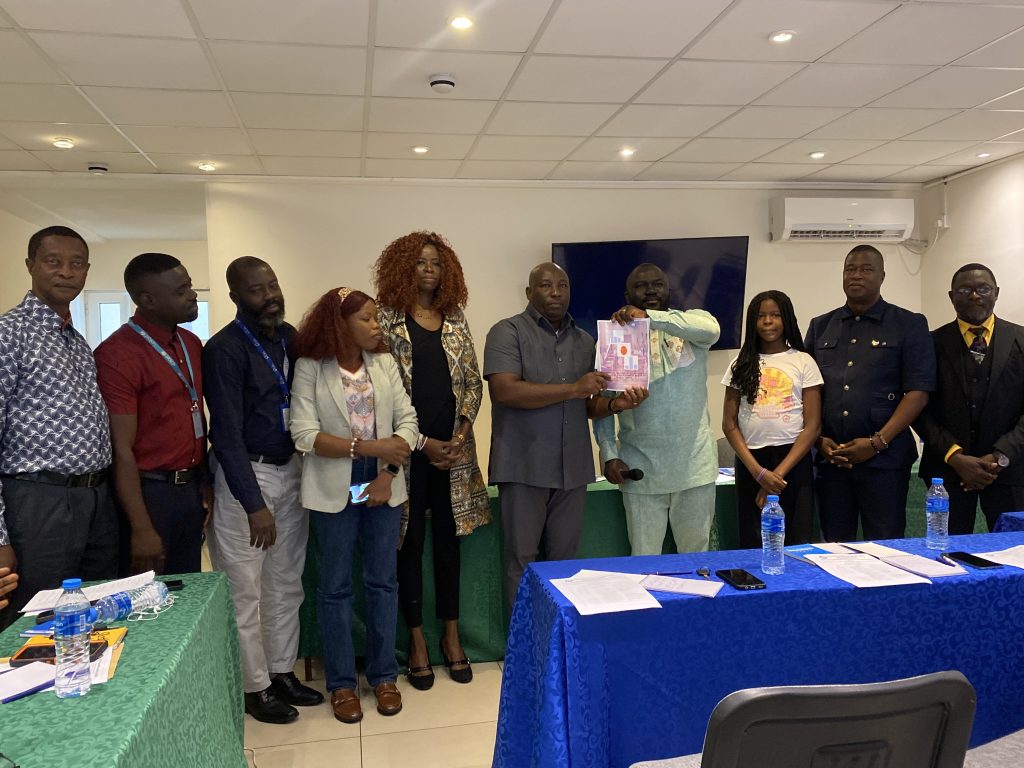
This simplified version—developed by the Centre for Accountability and Rule of Law (CARL) with UNDP support—breaks down complex legal provisions into clear, accessible language for all Sierra Leoneans.
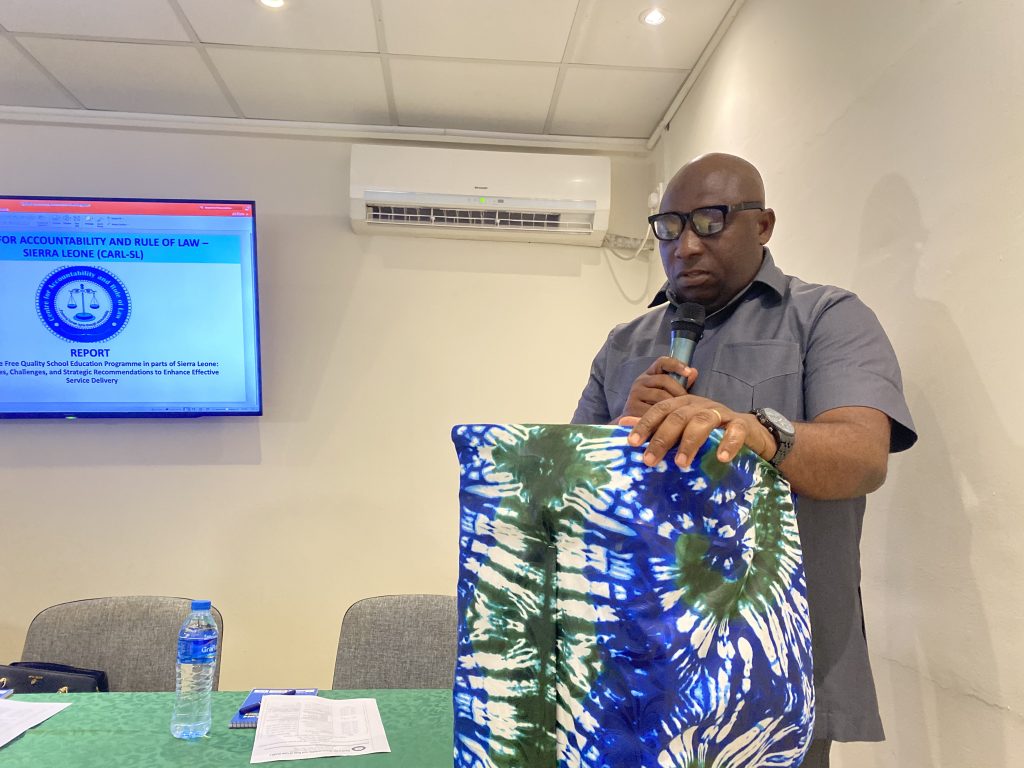
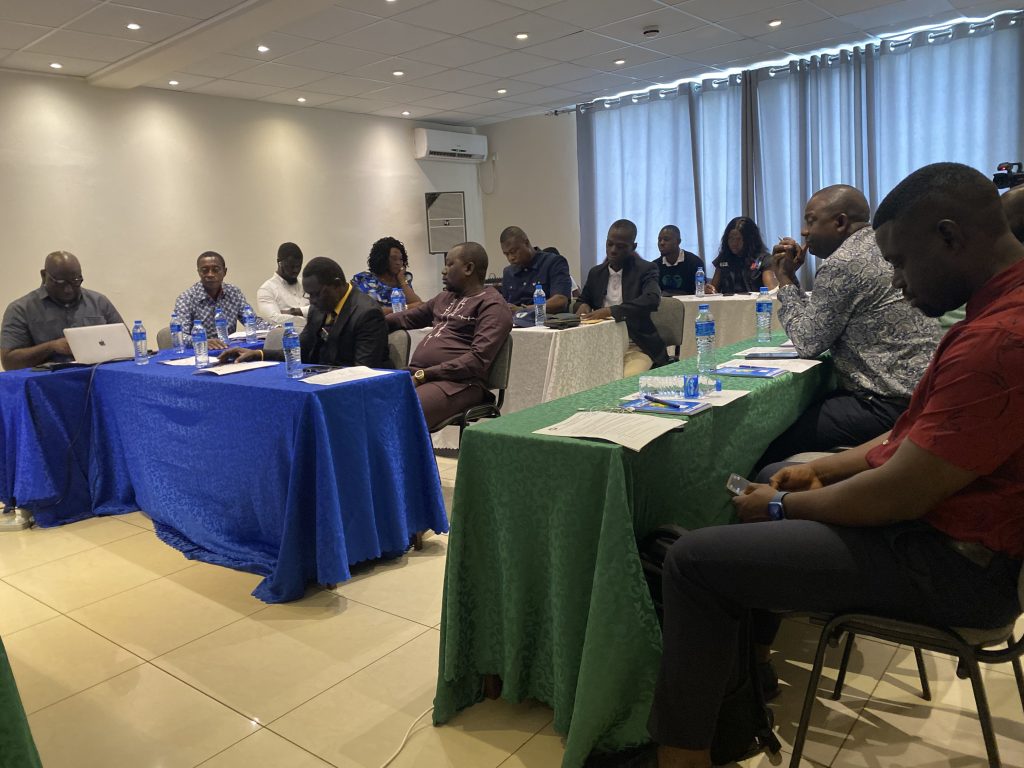
The Centre for Accountability and Rule of Law – Sierra Leone (CARL-SL) has presented the findings of its thorough assessment of the Free Quality School Education (FQSE) Programme today, Thursday, August 28th. The event, held at the New Brookfields Hotel, gathered key government officials, development partners, civil society representatives, educators, and members of the media.
This study, fully funded by CARL-SL, aimed to evaluate the effectiveness of the FQSE initiative and identify areas for improvement.
While recognizing the government’s significant efforts to ensure that every child has access to quality education, the findings are anticipated to guide future strategies and initiatives, fostering a more accountable and transparent educational framework.
Jeremy Ben Simbo, head of programmes at CARL-SL, has urged development partners to work alongside the government and civil society to address challenges, ensuring that every Leone spent on education yields real benefits for children and their communities.